
Havasupai Falls
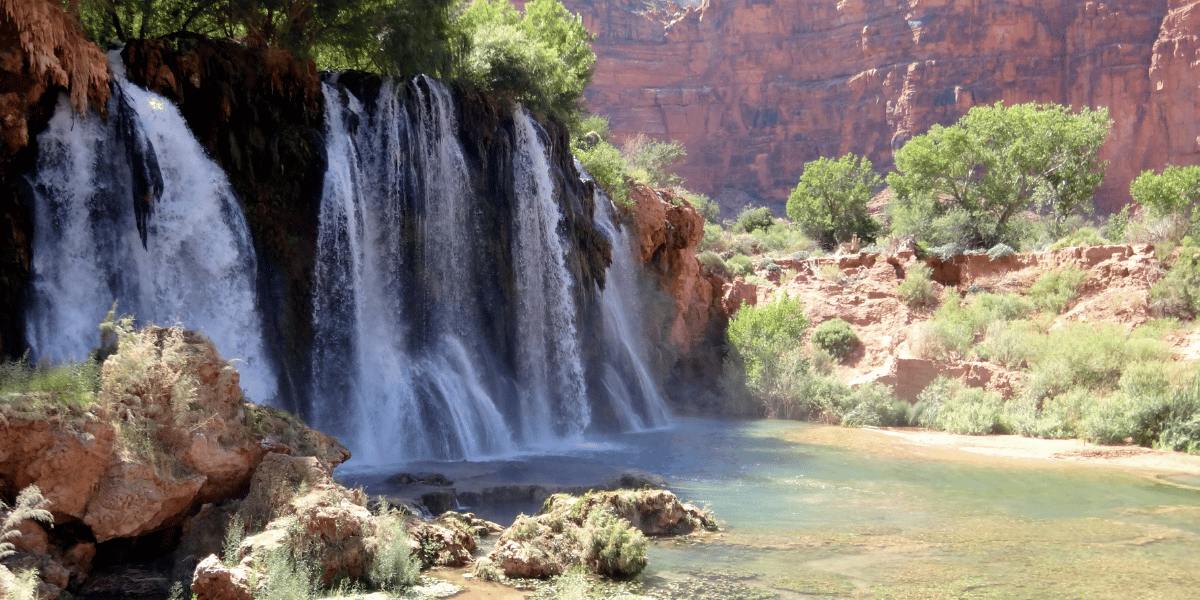
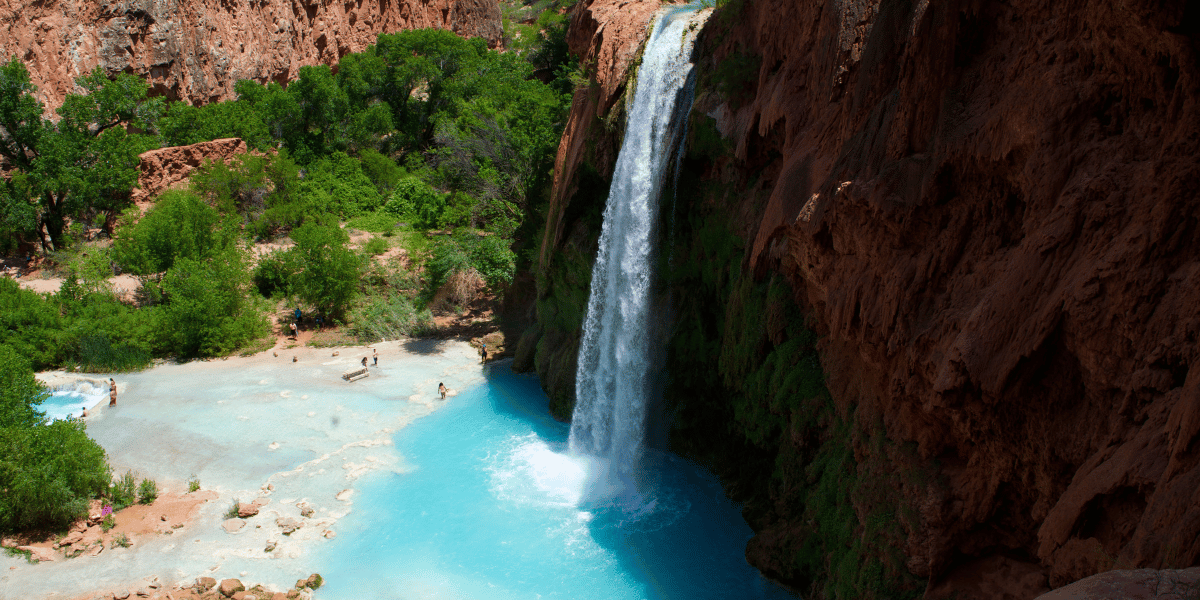
Havasupai Falls is the reason people move to Arizona. The water is a blue-green that doesn’t look real in photographs and somehow looks even less real in person. A series of travertine waterfalls drop into pools inside a red-walled side canyon of the Grand Canyon, on Havasupai tribal land, and access to all of it requires a permit that is among the most competitive in the American West.
The main falls (Havasu Falls, Navajo Falls, Mooney Falls, and Beaver Falls further downstream) are connected by a trail along the creek. The hike in is 10 miles each way. Most visitors stay two to three nights at the campground near the falls. A helicopter option exists for those who can’t manage the hike. Plan around the permit, not the other way around.
Permits are managed directly by the Havasupai Tribe and released in limited batches through their official reservation system. Demand dramatically exceeds supply. If you’re serious about going, check the tribal website in early February when permits for the following year typically open.
Permit Required: Plan Ahead
|
Slide Rock State Park
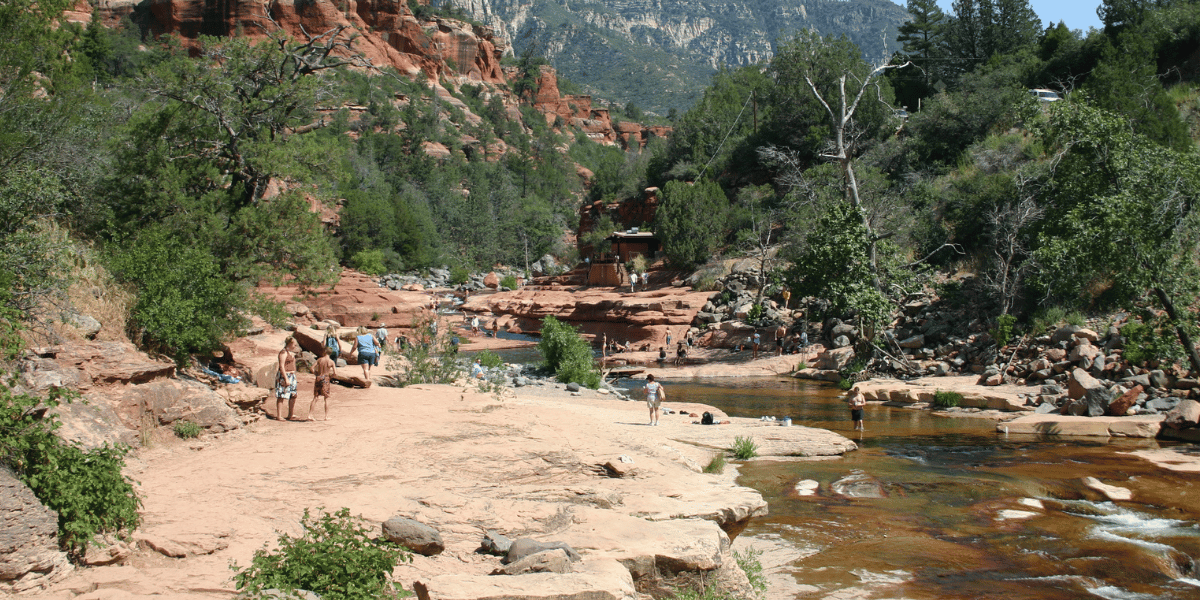
Slide Rock is the most accessible swimming hole on this list and the most consistently crowded. Located in Oak Creek Canyon seven miles north of Sedona, it’s a natural rock chute formed by the creek that visitors use as a waterslide into a pool below. The red rock canyon setting is striking, the water is cold (it comes from springs upstream), and in midsummer there’s a wait to get in.
That crowd situation is worth knowing about. The park caps daily attendance and reaches capacity by mid-morning on summer weekends. Arriving by 8 a.m. is the practical strategy. Weekdays are meaningfully less chaotic. The park charges an entrance fee, and the roads in Oak Creek Canyon can back up significantly on peak days.
The experience is worth it for first-timers. Slide Rock is a legitimate piece of Arizona outdoor culture, and the canyon scenery above and below the slide is some of the best in the state.
Fossil Creek
Fossil Creek is the swimming hole that Arizona outdoor regulars talk about the most. About two hours from Phoenix near the town of Strawberry, the creek runs through a steep canyon and forms travertine pools with water that stays around 70 degrees year-round, fed by large natural springs. The color is a clear, almost luminous green-blue that photographs extremely well and swims even better.
Access requires a vehicle permit, which is released in batches two weeks in advance and typically books within minutes of release. The trail to the main swimming area and waterfall is about three miles from the trailhead. Cliff jumping at the falls is popular but swim at your own assessment of the conditions. Fossil Creek is designated as a Wild and Scenic River, which is what keeps it protected from overuse.
It’s worth the permit process. Plan to spend a full day.
Tonto Natural Bridge State Park
Tonto Natural Bridge doesn’t get the same attention as Havasupai or Fossil Creek, but it deserves more. The park claims the world’s largest natural travertine bridge, and swimming is allowed in the turquoise pool that forms beneath it. Standing in the water looking up at 180 feet of natural stone arch overhead is a fairly hard experience to replicate anywhere else in Arizona.
The park is about 90 minutes from Phoenix near Payson. Entry requires a state park fee, and the trails down to the water are steep in places (water shoes help on the travertine). It’s a good option for families and for anyone who wants to combine a short hike with a swim without the permit hassle or long drive of other destinations on this list.
Seven Falls (Tucson)
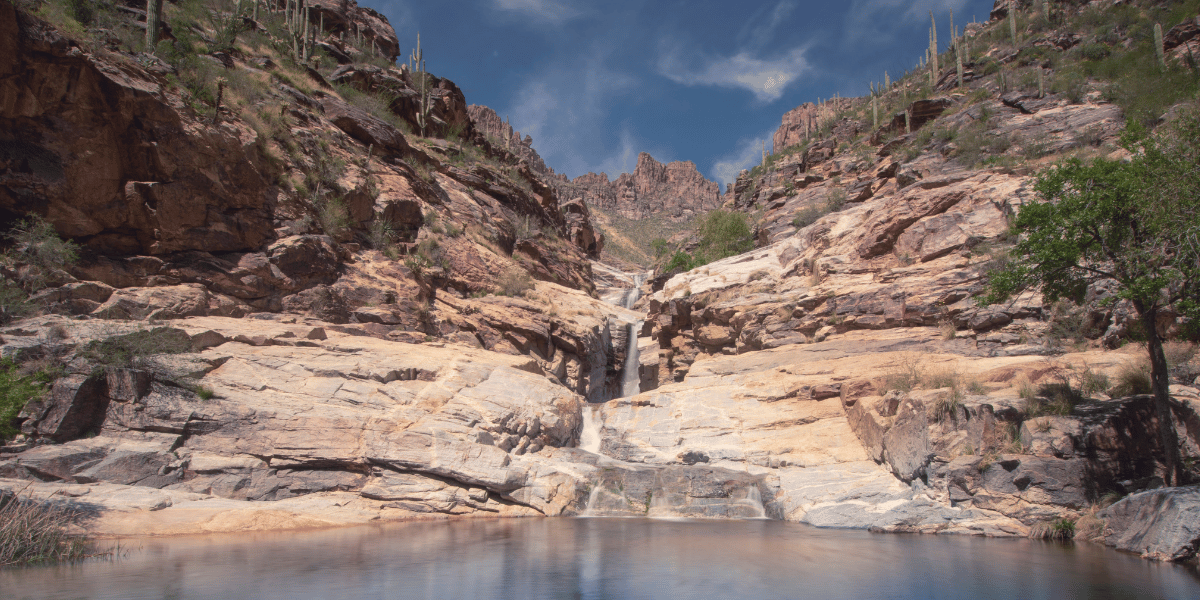
Seven Falls sits at the end of the Bear Canyon Trail in Sabino Canyon Recreation Area, northeast of Tucson. The name is literal: seven tiered pools and waterfalls descending through a narrow red-walled canyon. When water is flowing, it’s one of the most beautiful spots in southern Arizona.
The catch is that Bear Creek is seasonal. The best water flow comes during monsoon season from July through September, when summer storms push water through the canyon, and again in spring when there’s enough snowmelt from the Santa Catalina Mountains above. Outside those windows the creek can be dry. Check conditions before making the drive. The hike is about eight miles round trip, with the trail following the creek for much of the way.
Wet Beaver Creek
Wet Beaver Creek is one of the best-kept secrets among Arizona swimming holes, which is a relative term since locals know about it well enough. Located near Camp Verde in the Coconino National Forest, the Bell Trail follows the creek through a red sandstone canyon that draws comparisons to Sedona without the traffic or the fees. The swimming holes are about four miles from the trailhead, which keeps the crowds manageable.
No permit is required. The water is clear and fed by springs in the surrounding plateau, running year-round. Bring water shoes for the rocky streambed crossings. This is a good option when Fossil Creek permits are gone and Slide Rock is at capacity, and it stands completely on its own merits.
The Salt River Canyon
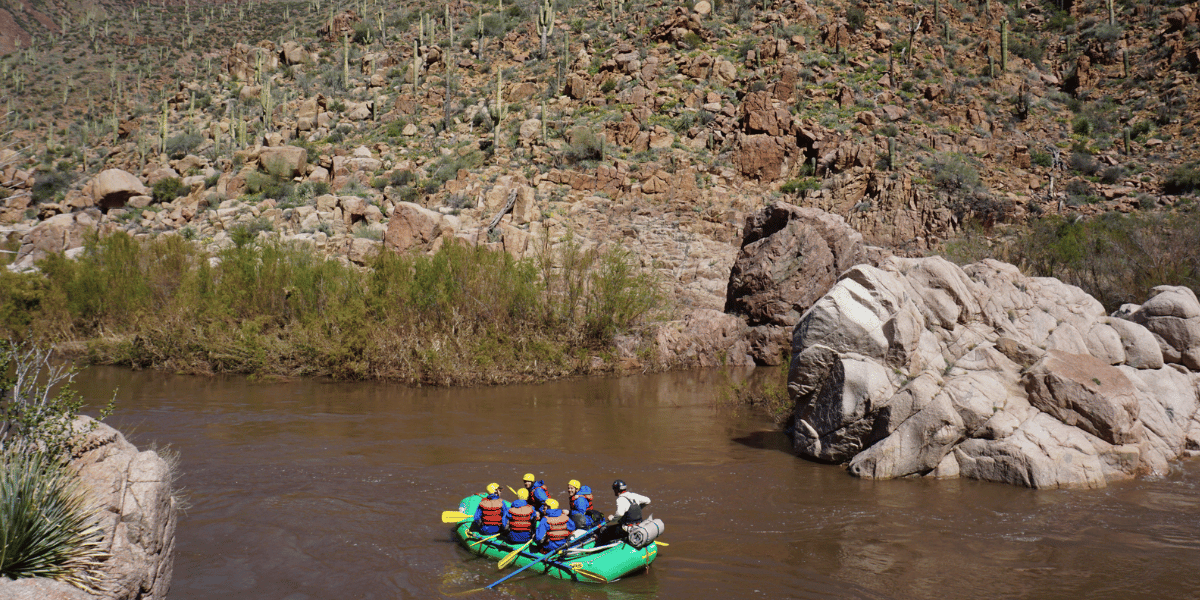
The Salt River Canyon is in a different category from the other destinations on this list. It’s not a swimming hole you drive to and spend an afternoon at. When the Salt River rafting season opens, typically in spring when White Mountain snowpack is high enough, it becomes the best waterway experience in Arizona: an unroaded, remote canyon accessible only by raft, with water too cold and fast to simply wade into but spectacular to float through.
The Salt River runs on snowmelt and doesn’t open every year. When it does, rafting trips range from a half-day introduction to multi-day expeditions through the canyon. The wildlife, the canyon walls, and the absence of any road access make it unlike any other water experience in the state. Check the Salt River conditions page to see if the river is currently running.
The 2026 season is not running. If the river is on your list, join the waitlist now for 2027.
What to Bring to Any Arizona Swimming Hole
Most Arizona swimming holes involve a hike, limited shade, high sun exposure, and water that’s colder than you expect. The Arizona Rafting packing list covers river trips specifically, but the gear overlap is significant: water shoes, dry bags, sun protection, and extra water all apply.
Standard Packing List for Arizona Swimming Holes
|
Arizona’s Best Water Is Worth Planning For
Most of the spots on this list share something in common: they reward the effort. A permit system that limits daily visitors means the experience you get is quieter and more worth having than it would be without one. A long hike means the swimming hole at the end feels earned. Arizona has the outdoor destinations people put on bucket lists, and most of them are within reach if you plan far enough ahead.
The one exception to all of that planning is the Salt River Canyon. You can’t book it in advance. You can’t guarantee it opens in a given year. When it does open, the only way in is by raft, and the canyon you float through has no roads, no trailheads, and no signs of the Phoenix metro that sits an hour and a half away. That combination of inaccessibility and timing is exactly what makes it the most remarkable waterway experience in Arizona when the season comes together.
Check current Salt River conditions to see if the river is running, or join the 2027 waitlist to get first access when bookings open. If you’re still in the planning stages, what to expect on a first Salt River trip is worth reading before you go.