Why Desert Camping in Arizona Is Different
The Sonoran Desert is not a dead landscape. It is extraordinarily alive, but on a schedule that doesn’t always align with what a first-time desert camper expects. Plants and animals here have evolved around extreme heat and minimal water, and the camping strategies that work in more forgiving environments can fall apart fast in the Arizona backcountry.
The state also spans a dramatic range of elevations. Phoenix sits at 1,100 feet and bakes in summer. Flagstaff sits at 7,000 feet and can see snow in May. The desert camping tips that apply in the low Sonoran don’t necessarily translate to the ponderosa pine forests above the Mogollon Rim. Know which Arizona you’re camping in before you pack.
Plan Around the Heat
The single most common mistake desert campers make is underestimating summer temperatures in the low desert. Phoenix regularly hits 110 to 115 degrees Fahrenheit in June and July. Camping in the Sonoran Desert floor during those months is genuinely dangerous for anyone without significant heat experience, and it’s uncomfortable even for those who have it. The desert rewards campers who go in the right season.
October through April is the primary window for low-desert camping near Phoenix and Tucson. Daytime temperatures in the 65 to 85 degree range make for excellent conditions. Nights can drop to the 40s at elevation, so don’t mistake “desert” for “warm at night.” May and June work at higher elevations: the White Mountains, the Mogollon Rim, and the Flagstaff area are all reliably cooler and worth targeting when the low desert is too hot to be comfortable.
If you do camp in summer, arrive in the late afternoon after peak heat, set up quickly, and plan your activity around the early morning hours before 10 a.m. and the evening after 6 p.m. Midday is for shade.
Water: The Rule Is More Than You Think
The standard desert water guideline is one gallon per person per day. In mild Arizona weather from October through March, that holds. In summer, in the low desert, double it. Dehydration in the Arizona desert happens faster than most people expect, partly because the low humidity means sweat evaporates before you notice it accumulating.
The more important issue is sourcing. Many Arizona dispersed camping areas have no water access at all. Unlike mountain camping where a stream or lake is usually nearby, desert camping often means you carry in everything you drink, cook with, and use for camp hygiene. Verify the water situation for your specific site before you leave. A water filter handles biological contaminants but won’t address the mineral content of standing desert water, which can be high enough to be an issue on its own.
Water Planning Checklist
|
Desert Wildlife: Sharing the Space
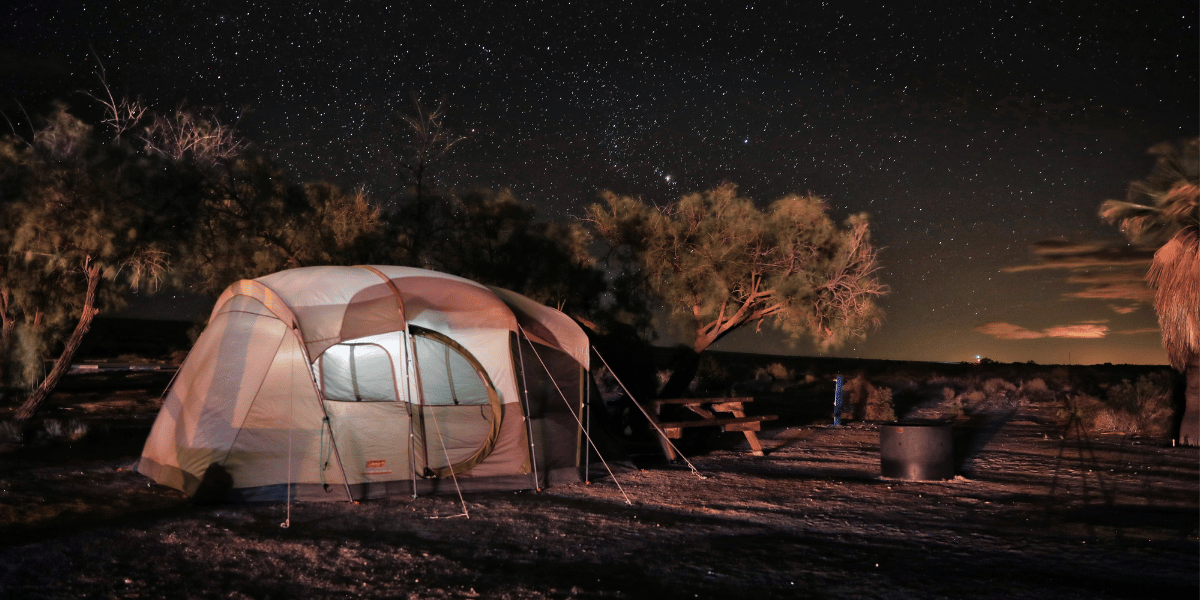
The Arizona desert is genuinely alive at night, which is one of the things that makes camping here memorable. Most of the wildlife you’ll encounter is going about its business and has no interest in yours. A few simple habits make for good coexistence.
Shake out shoes and clothing in the morning before putting them on. Don’t reach into rock crevices or spaces you can’t see. Keep food secured so javelinas and coyotes aren’t drawn into camp. Give any snake, Gila monster, or unfamiliar animal a wide berth and enjoy watching from a distance. These are the same habits that experienced desert campers use on every trip, and they become second nature quickly.
The more common wildlife encounters in the Arizona desert are the ones worth anticipating: coyotes calling at dusk, roadrunners moving through camp at dawn, and a remarkable variety of birds in any riparian area near water. The desert rewards campers who are paying attention.
Monsoon Season and Weather Awareness
Arizona’s monsoon season runs from mid-June through September and is one of the more spectacular weather patterns in North America. Afternoon thunderstorms build fast over the mountains, light up the desert sky, and cool things down considerably. It’s a genuine part of the Arizona summer experience.
The main thing to know is site selection. Camp on higher ground rather than in washes or dry riverbeds, which can collect runoff from storms miles away. Check the forecast before heading out and keep an eye on the sky in the afternoon. Outside of monsoon season, Arizona weather is reliably stable, and spring camping in canyon country from March through May is about as good as outdoor conditions get anywhere.
What to Pack for Desert Camping in Arizona
Desert camping gear overlaps significantly with general camping gear, but a few items matter more here than elsewhere. Sun protection is not optional: a shade structure for the camp kitchen area, a wide-brim hat, and UV-rated clothing make a meaningful difference on spring and fall camping days when the sun is intense even at comfortable temperatures.
Fire restrictions in Arizona are serious and frequently in effect. During dry periods, the Forest Service and state parks issue Stage 1 or Stage 2 fire restrictions that limit or eliminate open fires. Check current restrictions at AZFireInfo.gov before your trip. A camping stove with a shut-off valve is allowed under most Stage 1 restrictions and is worth having regardless. Don’t plan a trip around a campfire in the Arizona desert between April and July without checking.
Desert Camping Packing List for Arizona
|
Add the Salt River Canyon to Your Arizona Camping Itinerary
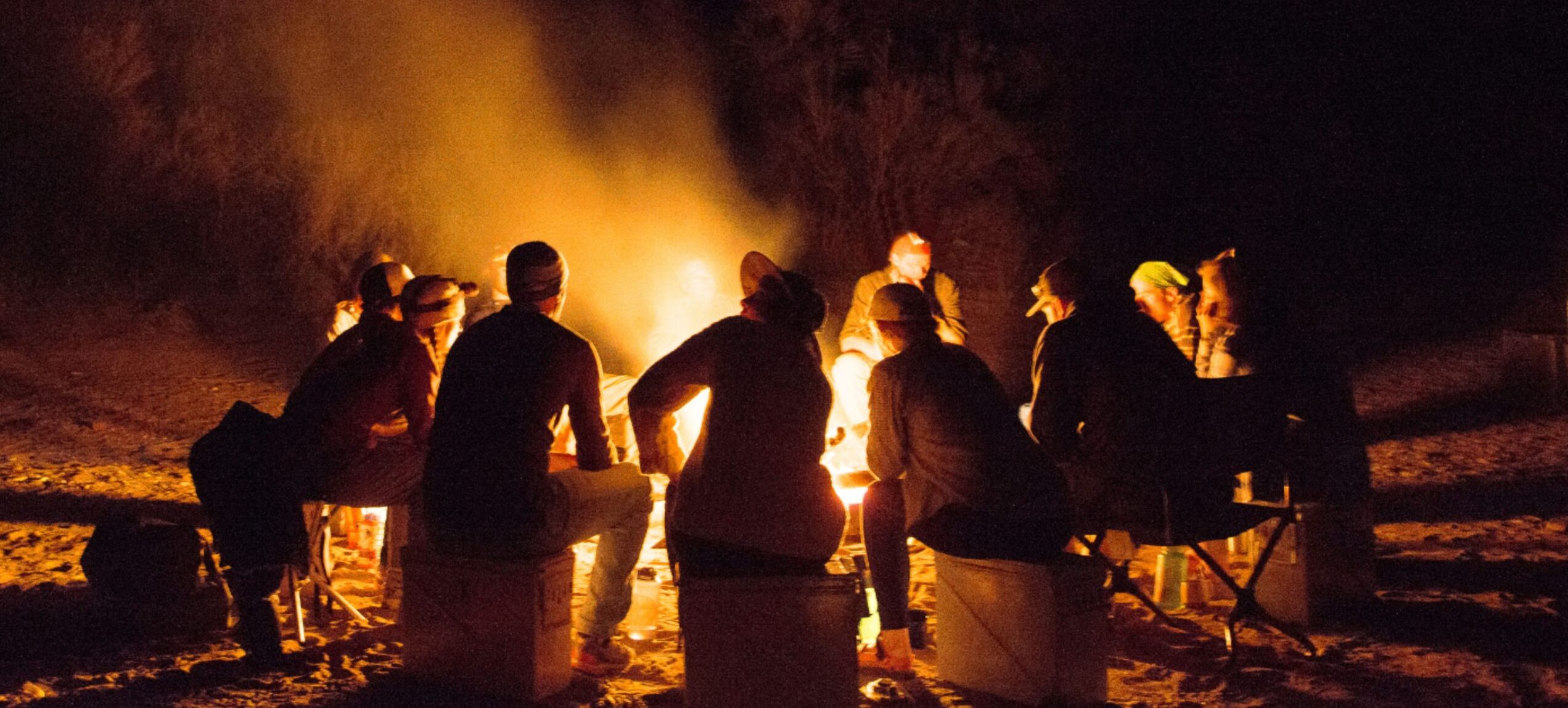
Most Arizona camping puts you in the desert looking at the landscape. A multi-day Salt River trip puts you inside a remote canyon that has no roads, no trailheads, and no way in except by raft. Overnight guests camp on river beaches with canyon walls overhead and no light pollution. It’s a fundamentally different kind of Arizona overnight than anything you’ll find at a developed campground.
The entry point is the Salt River Campout: a full day of whitewater followed by one night camping on the river. For more time in the canyon, the 2-day trip adds a second full day of rafting, and the 3-day and 4-day trips go deeper into the canyon with additional nights on river beaches. The longer the trip, the further you get from any road and the more the canyon does its work.
The Salt River only runs when White Mountain snowpack is high enough to sustain rafting flows, which means it doesn’t open every year. The 2026 season is not running. Check the Salt River conditions page for the latest, or join the waitlist for 2027.
Best Campgrounds Near Phoenix
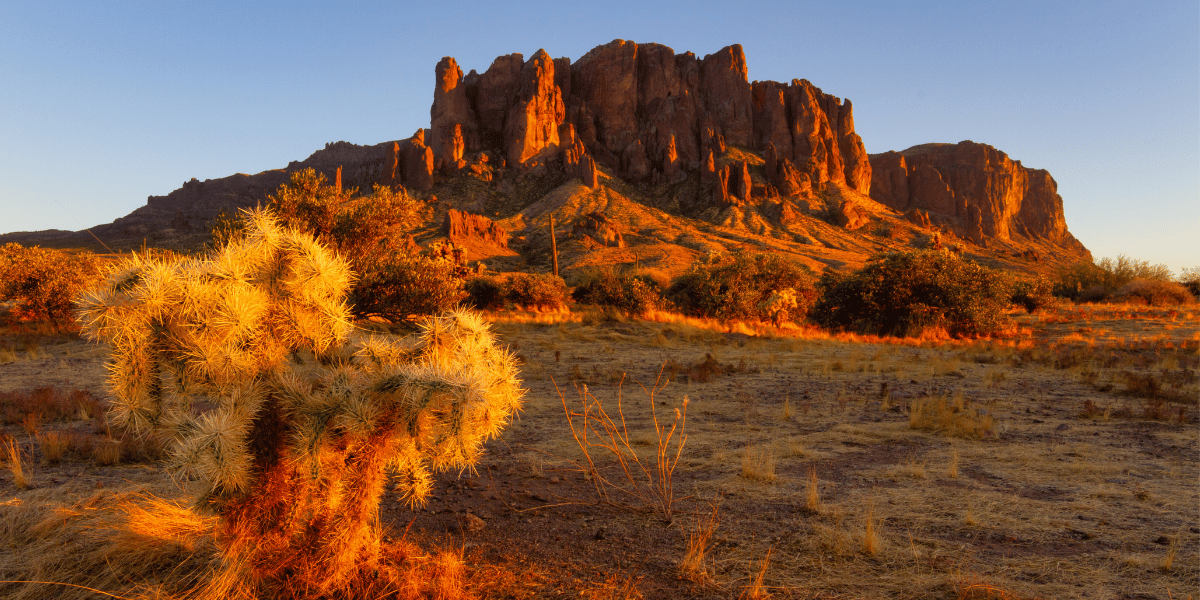
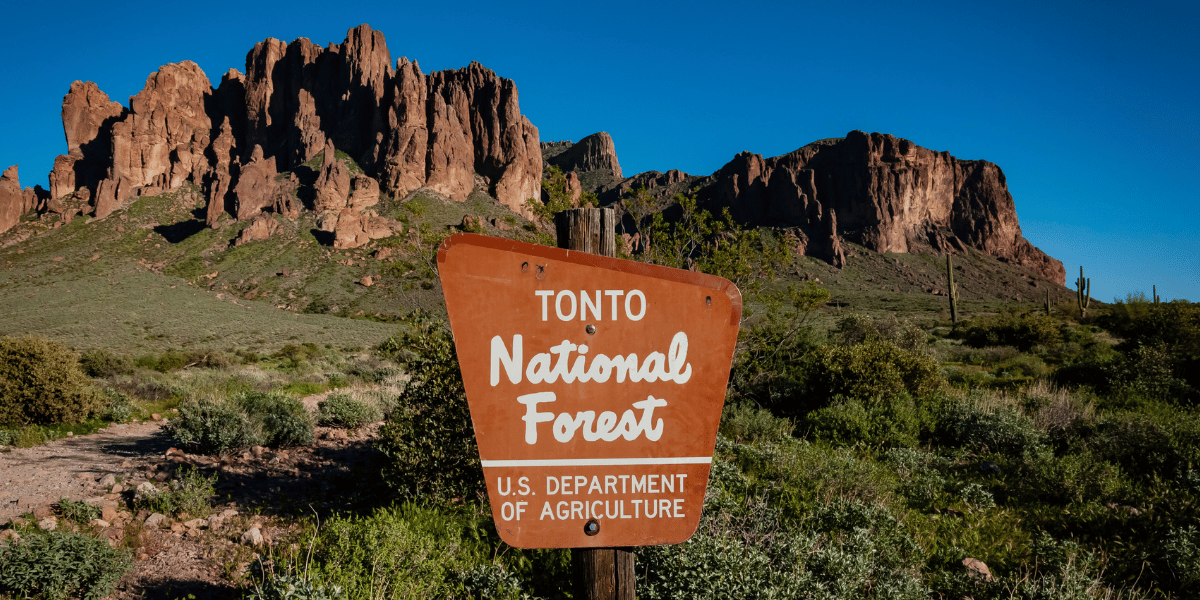
The Phoenix metro is surrounded by the Tonto National Forest, one of the largest national forests in the country by area, which means camping options within an hour of the city are genuinely good.
Lost Dutchman State Park: The most popular desert campground in the Phoenix area. Superstition Mountain backdrop, good facilities, reservations required on weekends.
Usery Mountain Regional Park (Mesa): Maricopa County park with 73 sites, good hiking trails, and a quieter feel than Lost Dutchman. Good starting point for first-time desert campers.
McDowell Mountain Regional Park: Northeast Valley location with good mountain biking access and less traffic than the more well-known parks.
Tonto National Forest dispersed camping: Free camping throughout the forest with a 14-day limit. No facilities. Requires more self-sufficiency but offers genuine solitude. Check current fire restrictions before going.
Best Campgrounds Near Tucson
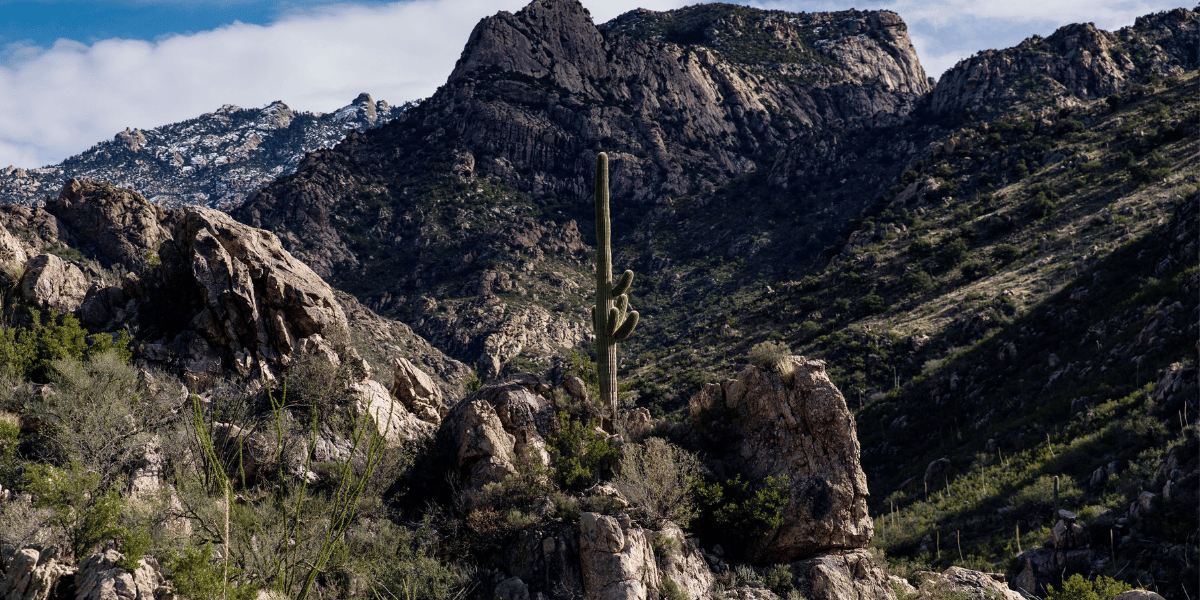
Tucson’s camping access is defined by the mountain ranges that surround the city: the Santa Catalinas to the north, the Rincons to the east, and the Tucson Mountains to the west. Most campgrounds sit at the base of or within these ranges.
Catalina State Park (north Tucson): Close, well-maintained, and set in classic saguaro desert at the base of the Santa Catalinas. Good access to hiking trails into the mountains.
Molino Basin (Coronado National Forest): About nine miles up the Catalina Highway from Tucson. Free camping, open October through April (closed in summer). A good gateway to higher elevation sites further up the mountain.
Cochise Stronghold (Dragoon Mountains): About 75 miles east of Tucson in a striking canyon of granite boulders and oak woodland. The historic site where the Chiricahua Apache made their stronghold. Worth the drive.
Kartchner Caverns State Park (Benson): About 50 miles from Tucson. Small campground adjacent to the caverns. A good option for combining a cave tour with an overnight stay.
The Desert Rewards Preparation
Most bad camping trips in Arizona come down to one of three things: the wrong season, not enough water, or a weather event that caught someone in the wrong spot. None of those are unpredictable. The desert is unusually honest about its conditions once you know what to look for, and the preparation required to camp here well is genuinely not complicated.
What you get in return is some of the best camping in the country. The star visibility in the Arizona backcountry is among the clearest on the continent. The landscapes shift dramatically between desert floor, canyon country, and mountain forest within a few hours of any major city. And when the season is right, the Salt River Canyon offers an overnight experience that has no real equivalent anywhere in the American Southwest.
Start with the packing list if you’re planning a river camping trip, or compare the Campout, 2-day, 3-day, and 4-day trip options to see what fits your schedule.