Why the Salt River Canyon Is an Exceptional Wildlife Habitat
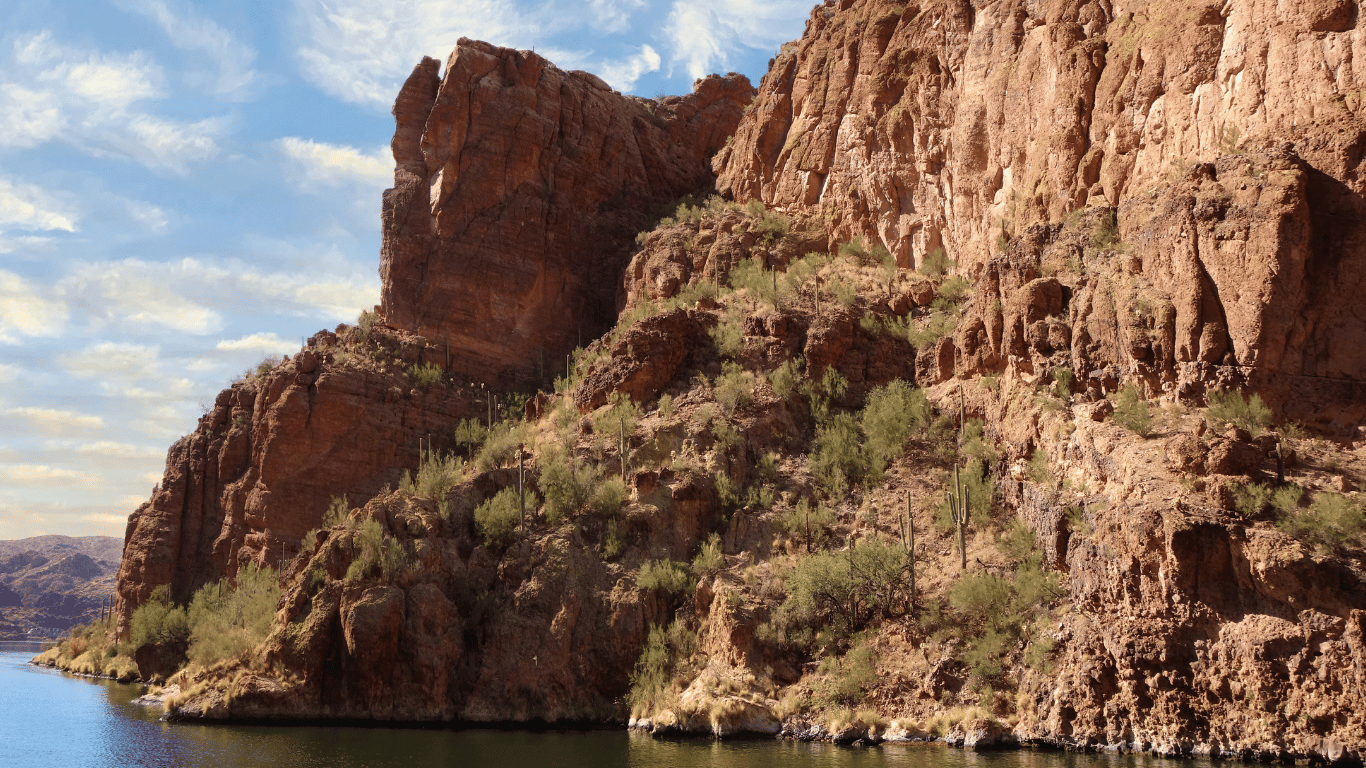
The Salt River Canyon sits at the convergence of three ecological zones: the Colorado Plateau to the north, the Sonoran Desert to the south, and the White Mountain transition forest to the east. That overlap creates unusual diversity, with species you wouldn’t expect to find within miles of each other sharing the same canyon.
The river is the anchor. In the desert Southwest, water organizes all life, and the Salt River provides a year-round riparian corridor through otherwise dry canyon country. Dense cottonwood and willow canopy lines the banks. Canyon walls provide nesting ledges and thermal columns for raptors. The absence of roads means the animals here have no reason to be wary.
Bald Eagles and Golden Eagles
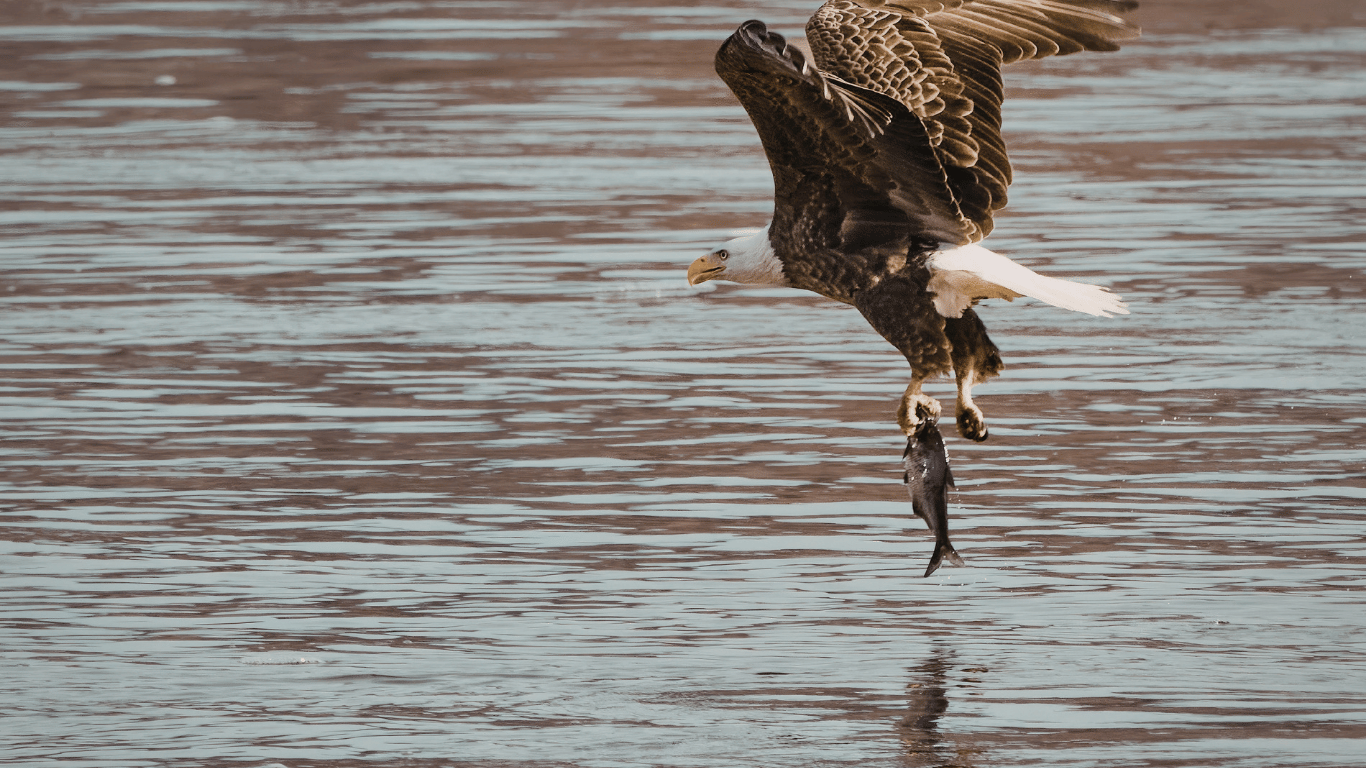
The Salt River Canyon supports one of the most significant bald eagle populations in Arizona, and the spring rafting season falls almost exactly when adults are most active at nest sites along the river.
Bald eagles on the Salt River don’t offer fleeting glimpses. They perch. A nesting pair will occupy a single cottonwood for hours, and rafts that move quietly through their territory sometimes pass within twenty or thirty feet of a bird sitting completely still on a branch overhanging the water. It’s a close encounter that tends to silence the whole boat.
Golden eagles are less common and prefer the drier terrain above the riparian zone. You’re more likely to spot them circling on thermals above the canyon rim than sitting near the water.
Guide’s NoteWhen you’re in a calm stretch and the cottonwoods are thick on both banks, that’s the time to start scanning the upper branches and canyon ledges. Eagles perch high and stay still, so they’re easy to miss if you’re focused on the water. Look for a large dark shape that isn’t moving. The nest sites tend to be on ledges with a clear sightline to the river below. |
Great Blue Herons
Great blue herons are the canyon’s most consistent presence. They show up on virtually every trip: standing motionless in the shallows, stalking along the banks, or launching into long slow glides just above the water. They seem genuinely unimpressed by passing rafts, which means the encounters stay close for a long time.
In flight, a great blue heron is striking in a way that’s hard to describe until you see it. Six-foot wingspan, neck folded back in an S-curve, slow deliberate wingbeats. Guests who have never paid much attention to birds tend to stop and watch.
The Salt River Wild Horses
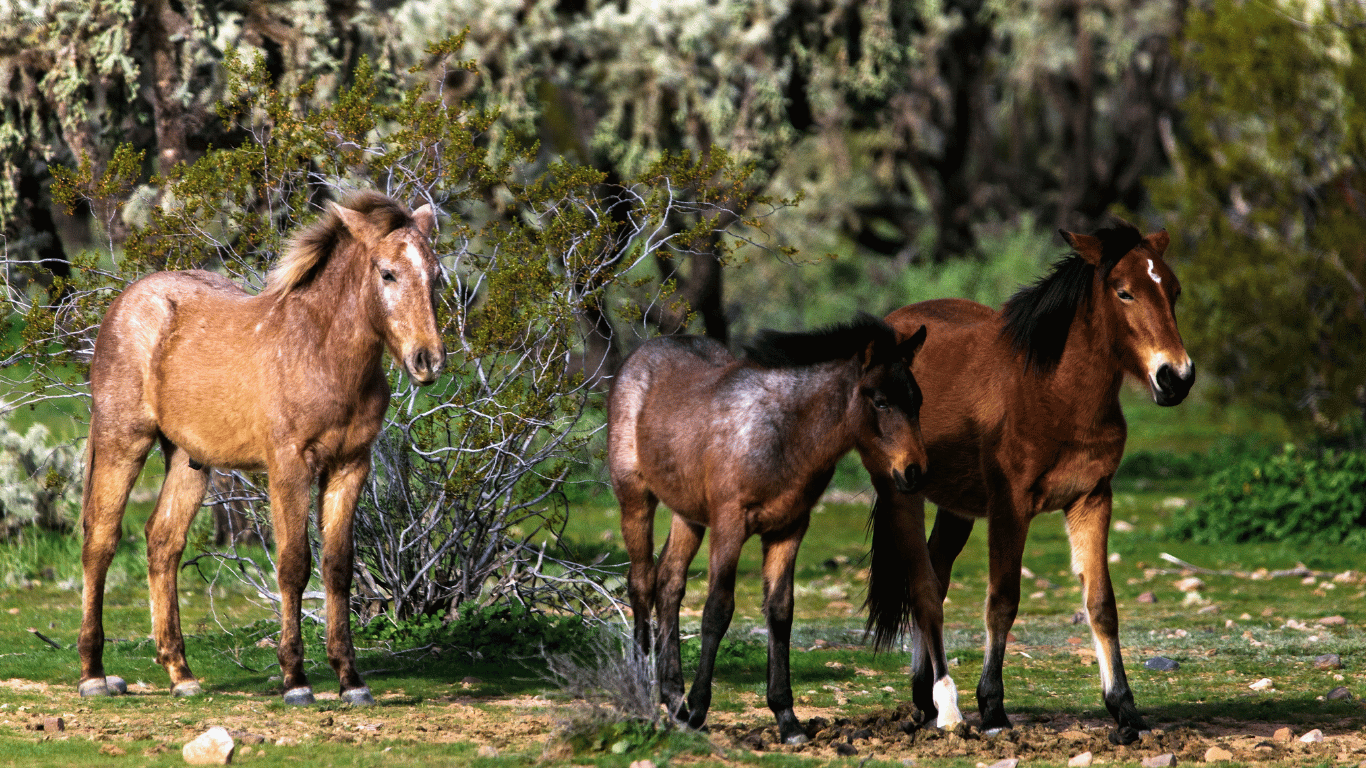
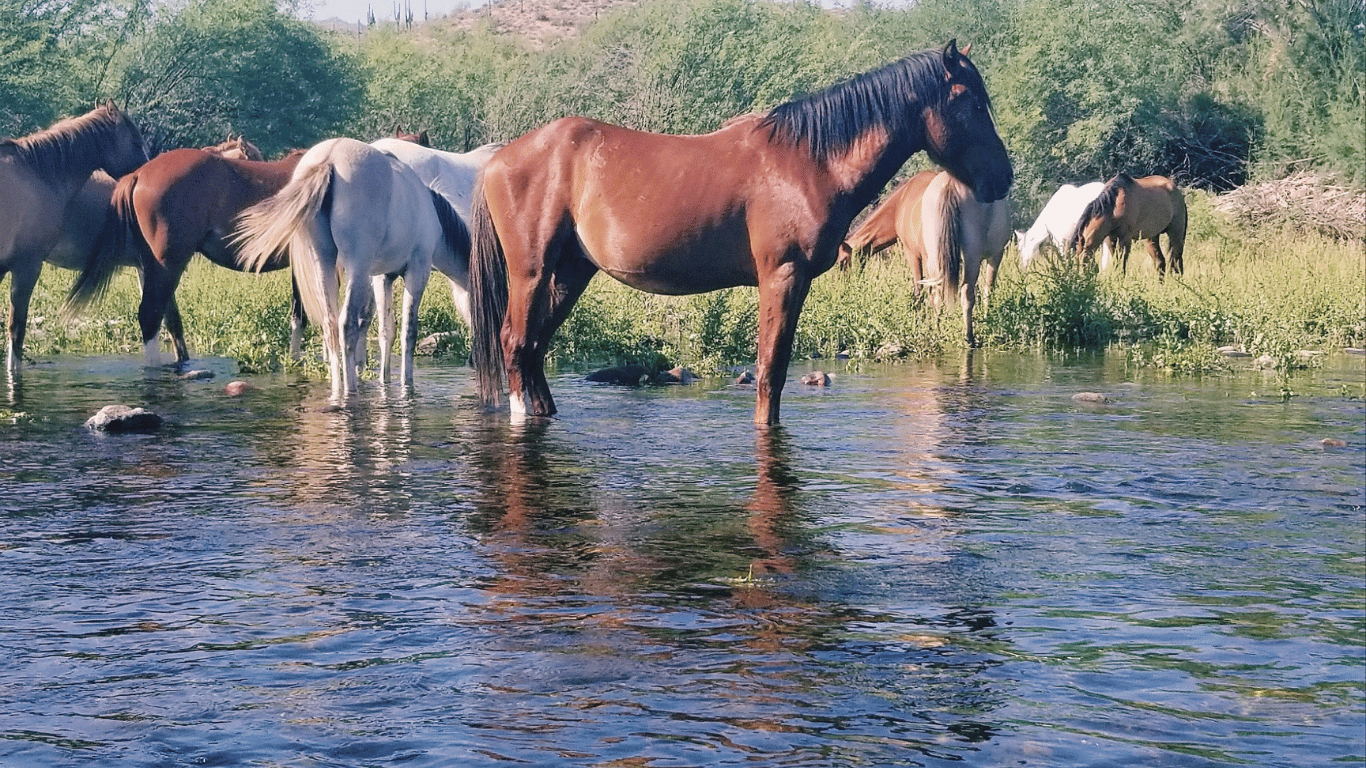
The wild horse herd is one of Arizona’s most well-known and fiercely protected animal populations. The horses range widely through the Salt River corridor and are regularly spotted on canyon beaches and at the water’s edge during the rafting season, coming to drink and graze on the riparian vegetation.
Seeing wild horses from a raft on a remote Arizona river is the kind of moment that stops conversation. Several guests per season describe it as what they remember most.
The herd is protected under a formal agreement between tribal and federal land managers. We ask guests to observe from the raft without approaching on foot. The encounters are better that way anyway.
Guide’s NoteScan wide sandy beaches and open stretches where the riparian vegetation breaks. Horses come to the water to drink and graze, so the wider, calmer sections with good bank access are worth watching carefully. Morning tends to be more active than midday. If you see tracks on a beach, stay aware: the herd may not be far. |
Mule Deer, Bighorn Sheep and Other Mammals
Mule deer are common throughout the canyon and spotted on most trips. They favor the riparian edges at dawn and dusk, coming to drink along the cottonwood banks.
Desert bighorn sheep are rarer and usually spotted by someone who happens to be looking up at the right moment. A bighorn on a canyon ledge, silhouetted against the sky, is a wildlife moment guests photograph for years.
River otters have been documented in the Salt River corridor, making for one of the rarer sightings possible on any trip. Their presence is a strong indicator of water quality and ecosystem health. Coyotes, javelinas, and ringtail cats round out the canyon’s mammal life. Multi-day trips significantly increase your chances with all of them: see the 2-Day and 3-Day trip options if that’s the kind of trip you’re after.
Birds of the River: Osprey, Kingfishers and More
Beyond the herons and eagles, the Salt River supports a strong population of fishing birds. Osprey hover over the water, spot a fish below the surface, then drop straight down feet-first to make the catch. It’s fast, precise, and genuinely impressive to watch. Belted kingfishers hunt from perches overhanging the water, with a loud rattling call that carries clearly over moving water. Once you’ve heard a kingfisher, you’ll recognize it every trip.
Other birds worth watching for: peregrine falcons hunting from the canyon rims, zone-tailed hawks that mimic turkey vultures in flight to approach prey, canyon wrens whose descending call is the canyon’s signature sound, and great horned owls audible at dusk on overnight stays.
Reptiles: Gila Monsters, Rattlesnakes and Canyon Lizards
The canyon is prime reptile habitat, and spring coincides with the period when reptiles emerge from winter dormancy. The Gila monster is the one guests most want to see: a large, slow, boldly patterned lizard in black and orange that looks genuinely ancient. They’re one of only two venomous lizards in North America and spend most of their lives underground, which makes a sighting on the Salt River a real find. Rattlesnakes are present in rocky terrain above the waterline and are worth knowing about for overnight guests. Your guide covers the relevant details before camp.
Canyon lizards are everywhere in the rocky terrain: chuckwallas sunning on boulders, desert spiny lizards in vivid orange and blue, side-blotched lizards in constant motion. They’re harmless, photogenic, and seemingly unbothered by the boats.
Best Conditions for Wildlife Watching
Early morning launches consistently produce the most sightings. Most canyon animals are active in the hours just after dawn before the heat of the day pushes them into shade. Full-day guests will most likely see more than those who chose the half-day trip.
Lower water levels, roughly in the 800 to 1,500 CFS range, tend to mean better wildlife viewing. The boat moves more quietly, there’s more time in calm sections, and birds are more tolerant of a raft that isn’t generating a lot of turbulence. Check the Salt River conditions page for current flow data and plain-English notes from the team.
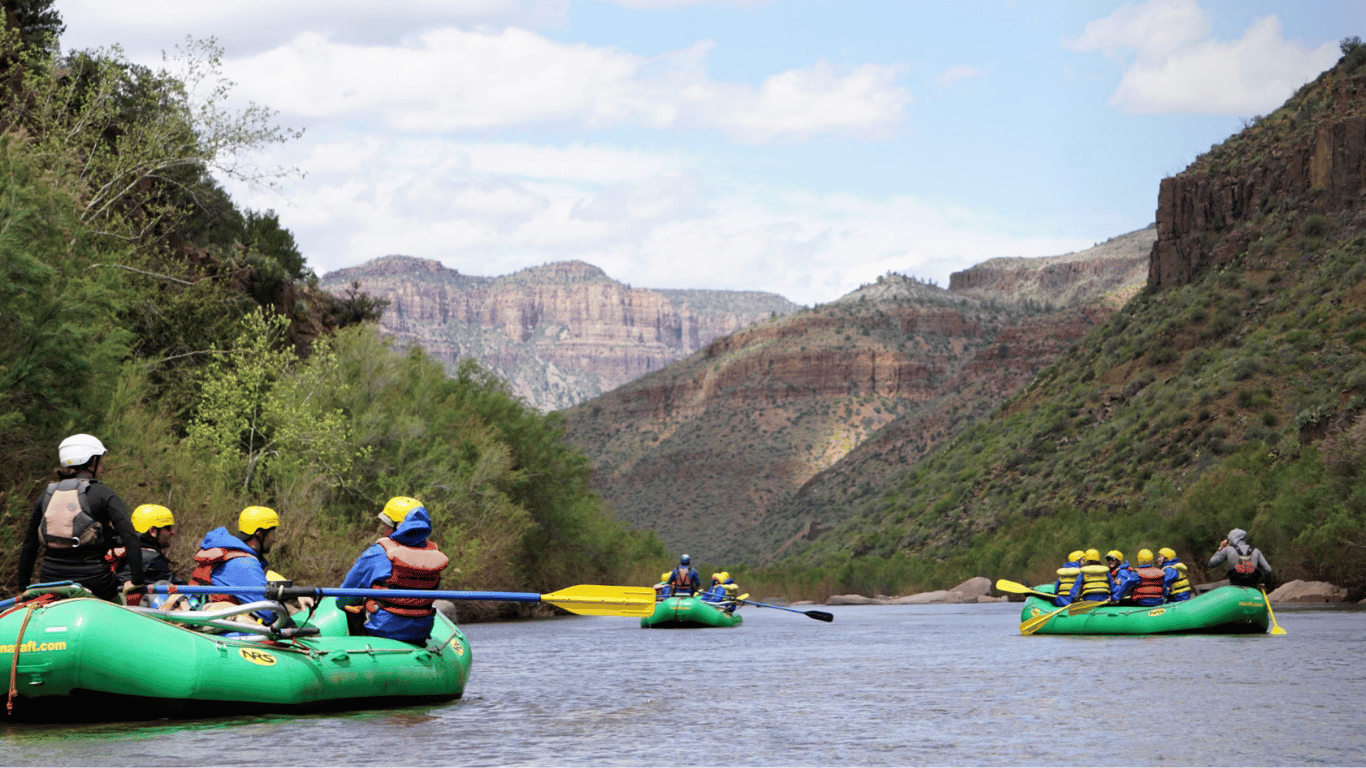
Quiet boats see more. This is the most consistent variable: guests who are still and not talking loudly have encounters that boats thirty feet ahead of them don’t get.
Simple Tips for More Wildlife Encounters
|
Photography Tips
Most of the best wildlife encounters on the Salt River happen at close range and without much warning. Burst mode and pre-focusing on a likely perch spot (before the bird flushes) will save more shots than any other technique. Bring polarized sunglasses: they reduce glare and let you see fish, diving birds, and otters through the water surface. Protect your camera between rapids. Check the packing list for dry bag recommendations and what else to bring on the water.
And don’t let gear anxiety get in the way. A modern smartphone at close range on a perched eagle produces excellent images. The canyon is generous with its subjects.
See It for YourselfNo nature documentary puts you twenty feet from a nesting bald eagle. The Salt River does. The 2026 season is not running but the Salt River will run again. Join the waitlist to be notified the moment 2027 bookings open. Waitlist members get first access before dates are announced publicly. |
The Salt River Canyon has been wildlife habitat for thousands of years. We’re just passing through for a few hours. Guests who come with patience and curiosity almost always leave with a story. Browse all Salt River trips or read what to expect on your first trip if you’re still planning.