
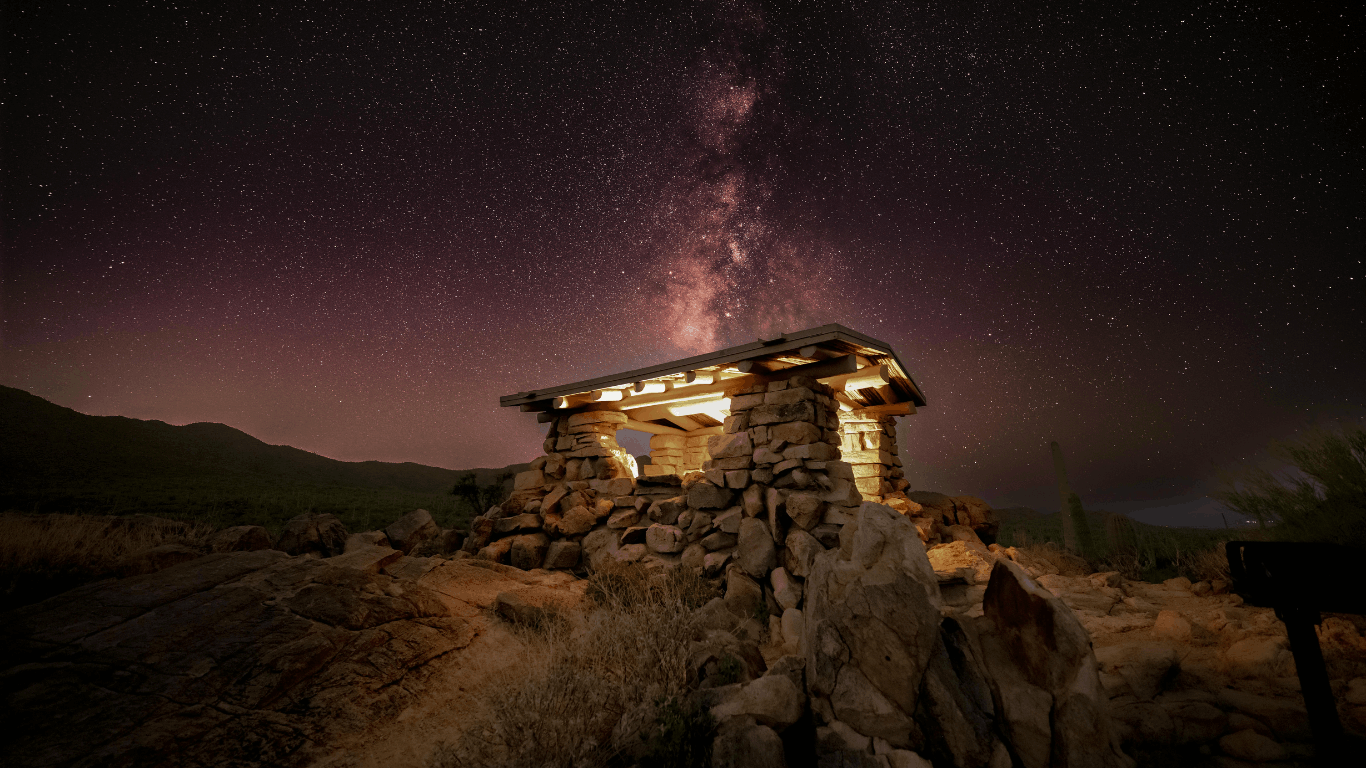
Arizona’s clear desert skies and wide-open landscapes make it one of the best places in the country for stargazing. While Flagstaff and the Grand Canyon get much of the attention, you do not have to drive that far north to experience an impressive night sky.
Less than two hours from Phoenix, you can find state parks, lakes, forests, and canyons where the city’s glow quickly begins to fade. Here are some of the best places to go, along with tips for planning your trip and why the Salt River Canyon deserves a spot on your list.
Table of Contents
Why Arizona Is One of the Best Places for Stargazing
Great stargazing starts with dark skies, clear weather, and wide-open views. Higher elevations can reduce atmospheric haze, while planning around a new moon makes it easier to see faint stars, planets, and the Milky Way.
Arizona naturally checks many of those boxes. Its dry climate, broad stretches of public land, and relatively low population density create excellent viewing conditions throughout much of the state.
Arizona is also home to numerous internationally recognized Dark Sky Places, including parks and communities that actively protect their night skies. However, you do not need to visit an officially designated site to enjoy strong viewing conditions. Many remote areas near Phoenix offer the same basic advantages: darkness, open terrain, and very little development.
The Best Stargazing Spots Near Phoenix
Fountain Hills
Approximate drive from central Phoenix: 35–45 minutes
Fountain Hills is one of the easiest places to find darker skies without traveling far from the city. The community sits east of Scottsdale, where the McDowell Mountains and surrounding protected lands help reduce some of the Phoenix metro area’s light pollution.
The Fountain Hills Dark Sky Association recommends viewing locations around the community, including Fountain Park, Desert Vista Park, Four Peaks Park, and McDowell Mountain Regional Park.
The skies will not be as dark as they are farther from Phoenix, but Fountain Hills is a convenient choice for a spontaneous evening. Check park hours before staying late.
Lost Dutchman State Park
Approximate drive from central Phoenix: 50–60 minutes
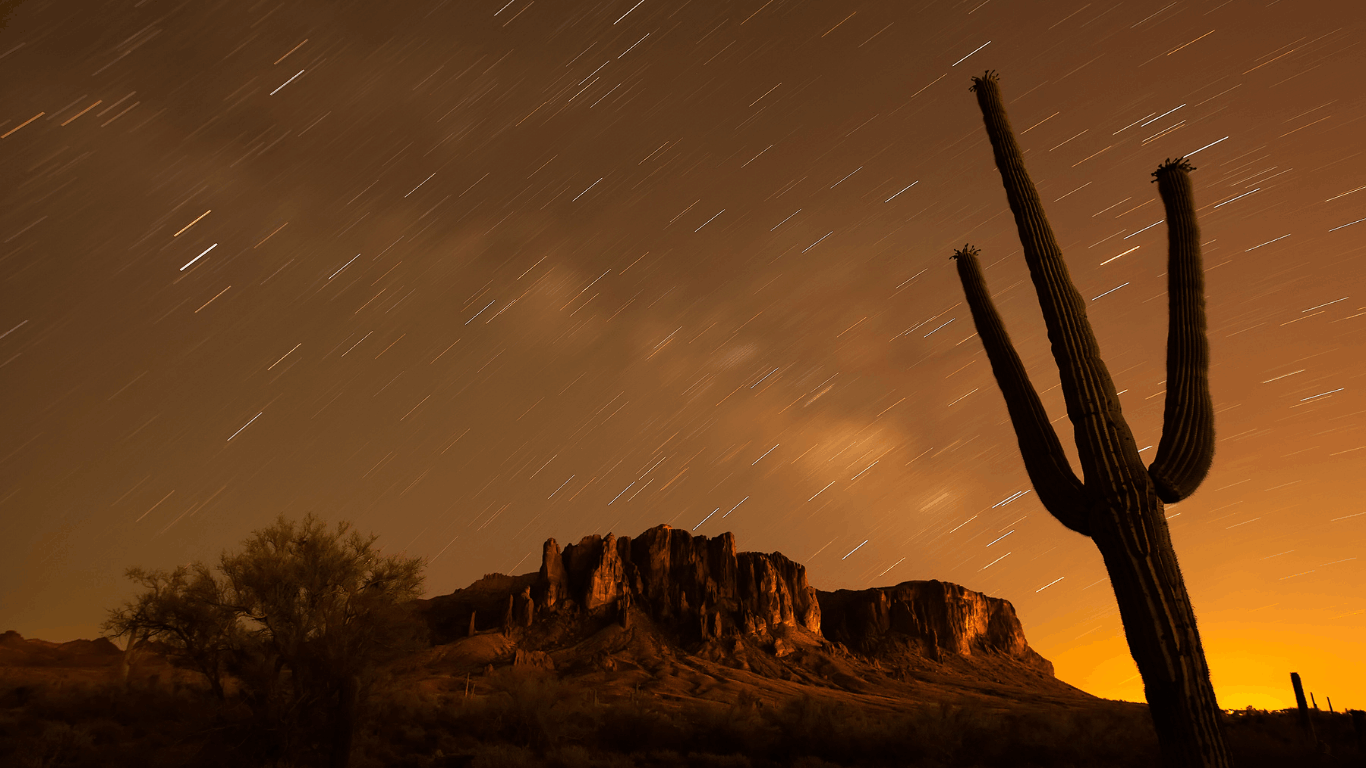
Lost Dutchman State Park sits at the base of the Superstition Mountains east of Apache Junction. Open desert views and the outline of the mountains create a memorable setting after sunset.
The park also offers campgrounds and occasionally hosts astronomy programs or star parties. Reserve a campsite if you want to stay overnight, as day-use access may end before the best viewing hours.
Bartlett Lake
Approximate drive from central Phoenix: 75–90 minutes
Bartlett Lake is surrounded by Tonto National Forest, putting more distance between visitors and the brightest areas of the Valley. Its open shoreline and mountain surroundings make it especially appealing for camping and night-sky photography.
Choose a campground or recreation area that permits nighttime access, since some locations are limited to day use. Review current Tonto National Forest recreation conditions before leaving Phoenix.
Four Peaks and Roosevelt Lake
Approximate drive from central Phoenix: 1.5–2 hours
The Four Peaks and Roosevelt Lake area offers darker skies and more remote surroundings than locations closer to Phoenix.
Roosevelt Lake has established recreation areas and campgrounds, while Four Peaks provides higher elevations and broad views across Tonto National Forest. Many roads in the Four Peaks area are unpaved, so check vehicle requirements and road conditions before leaving.
The Four Peaks Trail also offers views toward Roosevelt Lake and the surrounding wilderness. This area is better suited to a planned evening or overnight than a quick trip after dinner.
Close to Phoenix, Far from City Lights: Stargazing in the Salt River Canyon
Approximate drive from Phoenix: About two hours
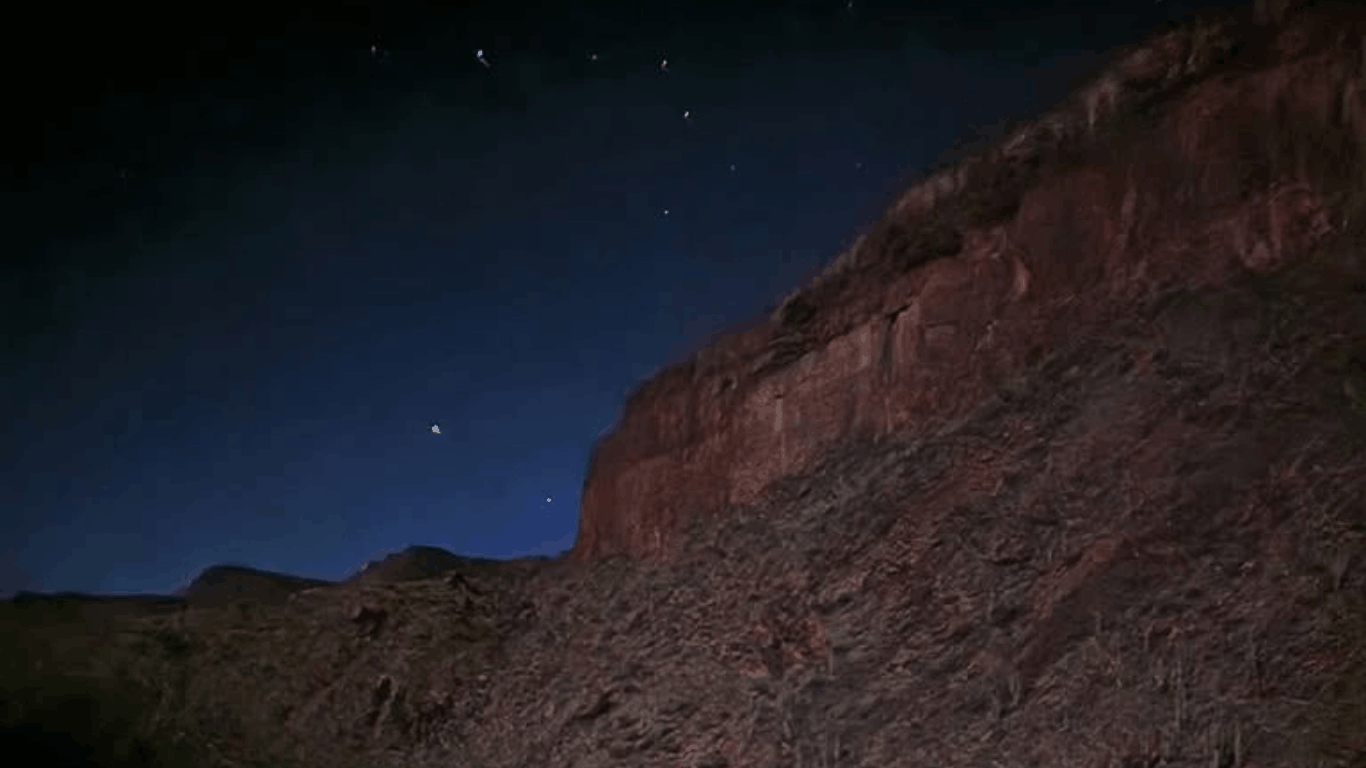
The Salt River Canyon feels much farther from Phoenix than it is. As you travel east through Globe and into the canyon country, development gives way to steep walls, rugged terrain, and long stretches with very little artificial light. It is close enough for a weekend trip but remote enough to provide a dramatically darker sky than locations near the edge of the Valley.
The experience becomes even more distinctive from inside the Upper Salt River Canyon. Away from roads, neighborhoods, and commercial development, the river corridor offers the kind of darkness that is increasingly difficult to find near a major city.
Canyon walls frame the sky, river beaches provide open places to sit, and darkness settles quickly once the sun drops behind the ridges. On a clear night near the new moon, stars that disappear into the glow above Phoenix become much easier to see.
Visitors should remember that the Upper Salt River runs through White Mountain Apache Tribal lands. Access, permits, and camping rules must be respected. An organized rafting and camping trip is the most straightforward way to experience the remote river corridor.
Turn a Salt River Rafting Trip into a Stargazing Adventure
The Salt River rafting season generally runs from March through April, water permitting. Because the river depends on seasonal snowmelt, water levels and operating conditions change from year to year. Check the latest Salt River conditions before making plans.
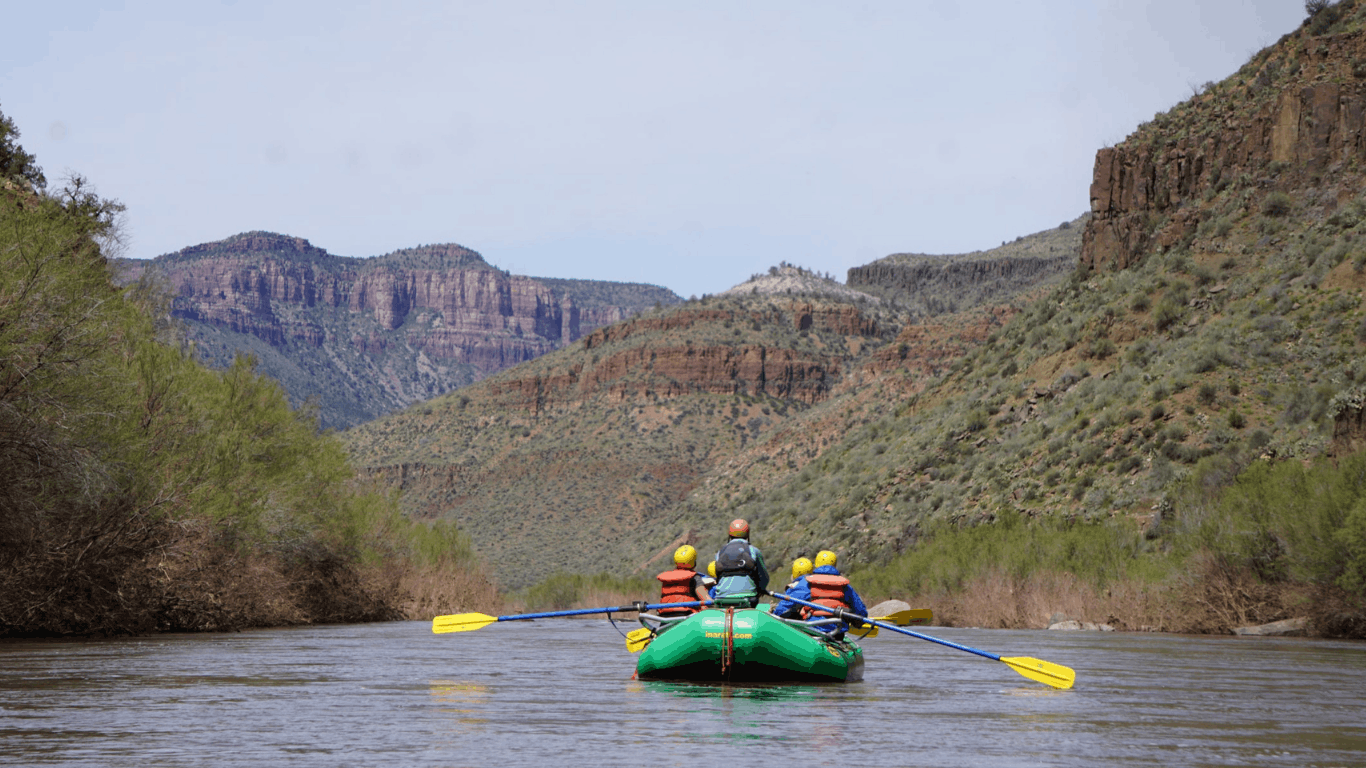
A half-day or full-day Salt River rafting trip lets you experience the canyon from the water. An overnight trip adds the chance to camp beneath some of Arizona’s darkest skies.
The Salt River Campout Trip combines a day on the river with camping near the canyon. Once dinner is finished and the last daylight disappears, the campsite becomes a natural place to watch the stars.
Longer multi-day rafting trips travel deeper into the canyon and camp on remote beaches accessible only by raft. With no nearby streets, hotels, or parking lots, the night sky becomes one of the most memorable parts of the experience.
Overnight guests should bring warm layers and review the current Salt River campout packing list before arriving. First-time visitors can also learn more about what to expect on a Salt River rafting trip.
Some of Arizona’s Best Night Skies Are Closer Than You Think
You do not have to drive to the Grand Canyon to find memorable stargazing in Arizona. Fountain Hills and Lost Dutchman State Park offer convenient options near Phoenix, while Bartlett Lake, Roosevelt Lake, and Four Peaks reward a longer drive with darker skies.
The Salt River Canyon offers the most complete experience. It is close enough for a weekend trip from Phoenix but remote enough to feel completely removed from the city.
Pairing a day of Salt River whitewater rafting with an evening beside the river creates an Arizona adventure that continues long after the sun goes down.
What makes a great stargazing spot?
A great stargazing location is far from artificial light, has clear and dry weather, and provides wide-open views of the sky. Higher elevations can reduce atmospheric haze. For the darkest conditions, visit near a new moon and allow your eyes at least 20 minutes to adjust.
Where can I go stargazing near Phoenix?
Good places for stargazing near Phoenix include Fountain Hills, Lost Dutchman State Park, Bartlett Lake, Four Peaks, and Roosevelt Lake. The Salt River Canyon is farther east but offers significantly darker conditions while remaining accessible for a weekend trip.
Can you see the Milky Way near Phoenix?
The Milky Way can be visible from darker locations outside Phoenix when skies are clear and the moon is not bright. Your chances improve near a new moon and in remote areas such as Four Peaks, Roosevelt Lake, and the Salt River Canyon.
Is the Salt River Canyon good for Stargazing?
Yes. The Salt River Canyon has very little nearby development, especially along the remote Upper Salt River corridor. Overnight rafting trips provide access to riverside camps with much darker skies than the Phoenix metro area.
What is the best time of year for stargazing in Arizona?
Arizona offers year-round stargazing. Spring and fall generally bring comfortable desert temperatures, summer can produce monsoon clouds, and winter often brings clear but colder nights.
Do I need a telescope to go stargazing?
No. Constellations, planets, meteor showers, satellites, and the Milky Way can all be visible without a telescope under sufficiently dark conditions. Binoculars are another easy option for a closer look.